When it comes to maintaining a healthy smile, preserving your natural teeth is always the goal. However, there are situations where tooth extractions become necessary to protect your overall oral health. At Campus Dental Care, we understand this can feel intimidating, but modern dentistry makes the process safe, efficient, and more comfortable than many people expect.
In this guide, we’ll cover why tooth extractions may be recommended, what to expect, and how to recover smoothly.
Common Reasons for Tooth Extractions
Dentists always aim to save a tooth whenever possible, but certain conditions make extraction the best option. Here are some of the most common reasons:
Severe Tooth Decay
When decay progresses beyond what a filling or crown can repair, the tooth structure may be too compromised to save. In these cases, removing the tooth helps prevent infection from spreading to surrounding teeth and gums.
Advanced Gum Disease
Periodontal (gum) disease can weaken the bone and tissues that support your teeth. If a tooth becomes loose due to advanced gum disease, extraction may be necessary to protect your oral health and prevent further damage.
Impacted Teeth
Wisdom teeth are the most commonly impacted teeth, meaning they don’t fully erupt through the gums. Impacted teeth can cause pain, swelling, and infection, making extraction the best solution.
Overcrowding
Sometimes, tooth extractions are part of orthodontic treatment. Removing one or more teeth can create space for proper alignment, helping braces or clear aligners work more effectively.
Trauma or Injury
Accidents can cause severe tooth damage that cannot be repaired. In these situations, extraction may be required before replacing the tooth with an implant or bridge.
The Bigger Picture: Tooth Loss and Oral Health
Tooth loss is more common than many people realize, especially among older adults. According to the CDC, about 43% of adults aged 65 or older who currently smoke cigarettes have lost all of their teeth. This statistic highlights how oral health, lifestyle habits, and preventive care all play a role in maintaining your smile.
While not all tooth loss can be prevented, early intervention and regular dental visits can significantly reduce the likelihood of needing extractions.
What to Expect During a Tooth Extraction
Understanding the process can help ease anxiety. At Campus Dental Care, patient comfort is always a priority.
Before the Procedure
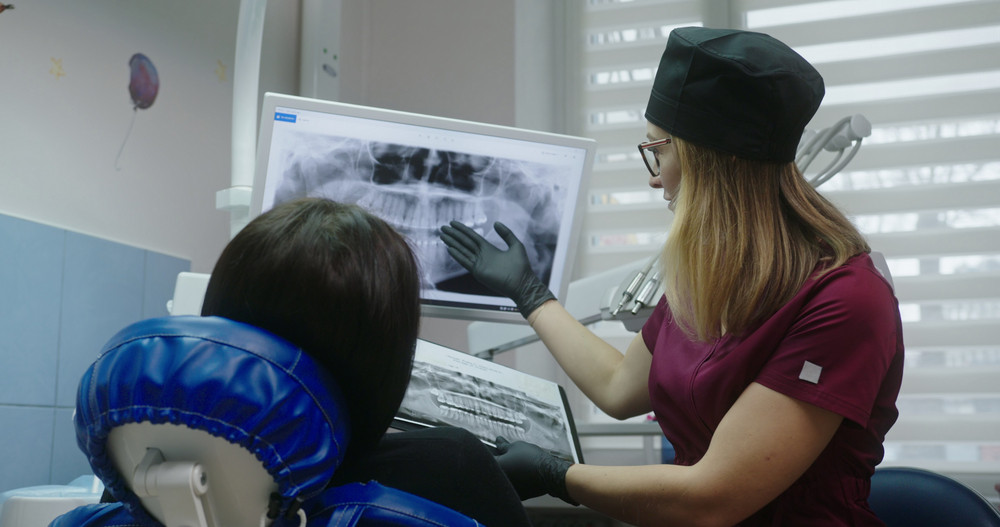
Your dentist will begin with a thorough exam, often including X-rays, to assess the tooth and surrounding bone. You’ll also discuss your medical history and any medications you’re taking.
Local anesthesia is typically used to numb the area, ensuring you don’t feel pain during the procedure. For more complex cases, sedation options may be available.
During the Extraction
There are two main types of extractions:
- Simple Extraction: Used for visible teeth. The dentist gently loosens the tooth and removes it.
- Surgical Extraction: Required for impacted or broken teeth. This may involve a small incision in the gum.
You may feel pressure during the procedure, but not pain. The process is usually quick, often completed within an hour.
After the Procedure
Once the tooth is removed, your dentist will place gauze over the area to control bleeding and help a blood clot form. This clot is essential for proper healing.
How to Handle Recovery After Tooth Extractions
Recovery plays a crucial role in preventing complications and ensuring a smooth healing process. Here’s how to take care of yourself after tooth extractions:
Manage Bleeding
It’s normal to experience some bleeding for the first few hours. Bite gently on gauze and replace it as needed until the bleeding slows.
Protect the Blood Clot
Avoid actions that could dislodge the clot, such as:
- Drinking through a straw
- Smoking
- Spitting forcefully
Losing the clot can lead to a painful condition called dry socket.
Reduce Swelling
Apply an ice pack to the outside of your cheek for 10–15 minutes every 24 hours during the first 24 hours. This helps minimize swelling and discomfort.
Take Medications as Directed
Your dentist may recommend over-the-counter pain relievers or prescribe medication if needed. Always follow the instructions provided.
Eat Soft Foods
Stick to soft, easy-to-chew foods like yogurt, mashed potatoes, soup, and smoothies for the first few days. Gradually reintroduce solid foods as you heal.
Maintain Oral Hygiene
Keep your mouth clean, but be gentle around the extraction site. After the first 24 hours, you can rinse with warm salt water to promote healing.
When to Call Your Dentist
While most recoveries are straightforward, it’s important to watch for signs of complications. Contact Campus Dental Care if you experience:
- Severe or worsening pain
- Excessive bleeding
- Swelling that doesn’t improve
- Fever or signs of infection
Prompt care can prevent more serious issues and keep your recovery on track.
Replacing an Extracted Tooth
After a tooth is removed, replacing it is often recommended to maintain proper function and appearance. Missing teeth can lead to shifting, bite problems, and bone loss over time.
Common replacement options include:
- Dental Implants: A long-lasting solution that mimics a natural tooth
- Dental Bridges: Fill the gap using neighboring teeth for support
- Dentures: Removable options for multiple missing teeth
Your dentist will help you choose the best option based on your needs and goals.
Preventing the Need for Future Extractions
While some extractions are unavoidable, many can be prevented with good oral care habits:
- Brush twice daily with fluoride toothpaste
- Floss daily to remove plaque between teeth
- Visit your dentist regularly for cleanings and exams
- Avoid tobacco products
- Maintain a balanced diet low in sugary foods and drinks
Preventive care is one of the most effective ways to protect your teeth and avoid more invasive treatments.
A Comfortable Approach to Tooth Extractions
At Campus Dental Care, we know tooth extractions can feel overwhelming. That’s why we focus on patient education, gentle techniques, and personalized care to make your experience as smooth and stress-free as possible.
If you’ve been told you may need an extraction—or you’re experiencing tooth pain—don’t wait to seek care. Early treatment can help protect your oral health and prevent complications.
Compassionate Care for a Healthier Smile
Tooth extractions are sometimes necessary to protect your overall dental health, but they don’t have to be a source of fear. With the right care, proper guidance, and a trusted dental team, the process can be straightforward and manageable.
Ready to take the next step toward relief and a healthier smile? Contact Campus Dental Care today to schedule your consultation. Our team is here to answer your questions, ease your concerns, and provide the expert care you deserve—so you can move forward with confidence.